The Pet Rock: Why the Most Ridiculous Product of the 1970s Was a Marketing Masterpiece
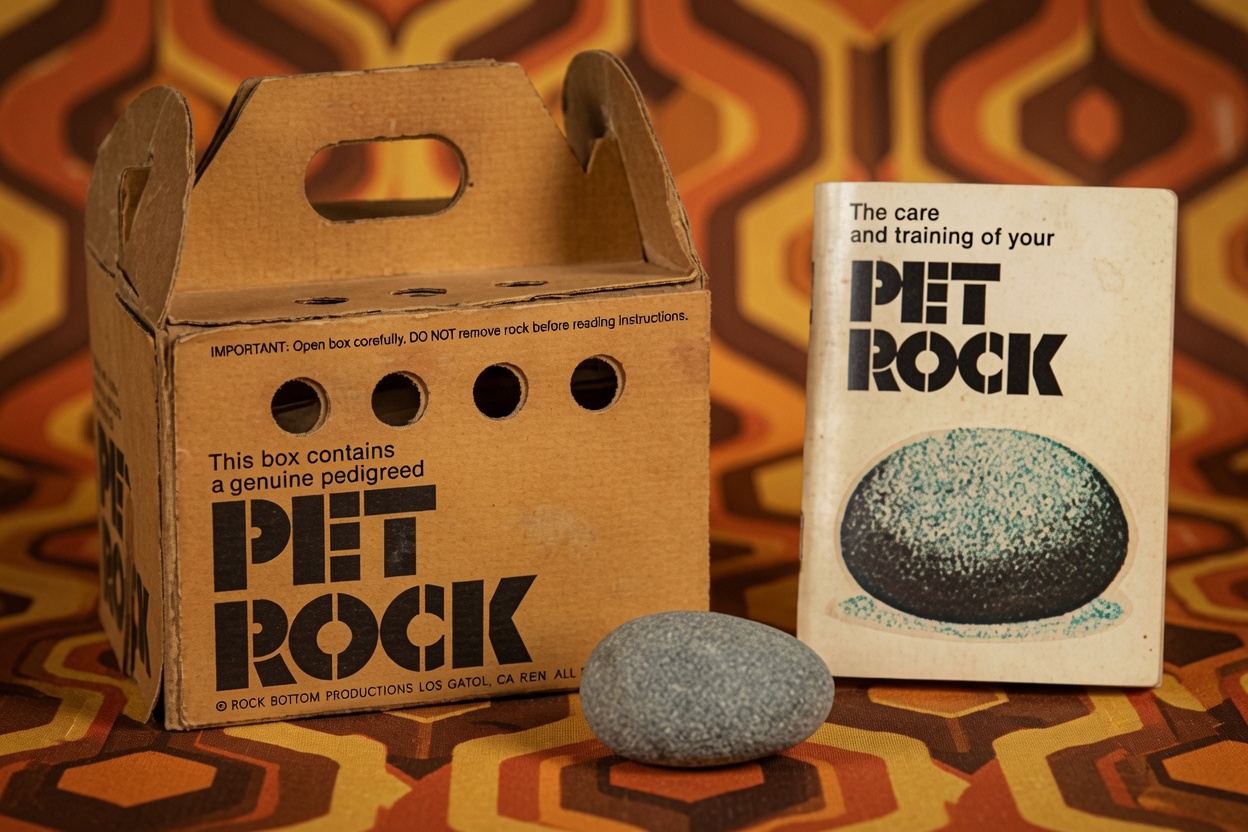
At first glance, the Pet Rock sounds like one of the worst business ideas ever conceived. After all, it was exactly what its name suggested—a plain, ordinary rock sold in a cardboard box. Yet during the 1975 holiday season, millions of people eagerly paid nearly four dollars for one. Adjusted for inflation, that’s roughly the equivalent of spending more than $20 today on something they could have picked up from their driveway for free.
So why did it become one of the biggest novelty crazes in American history? The answer has very little to do with rocks and everything to do with brilliant marketing.
Selling a Story Instead of a Product
Advertising executive Gary Dahl wasn’t really selling a stone. He was selling a joke that people wanted to be part of.
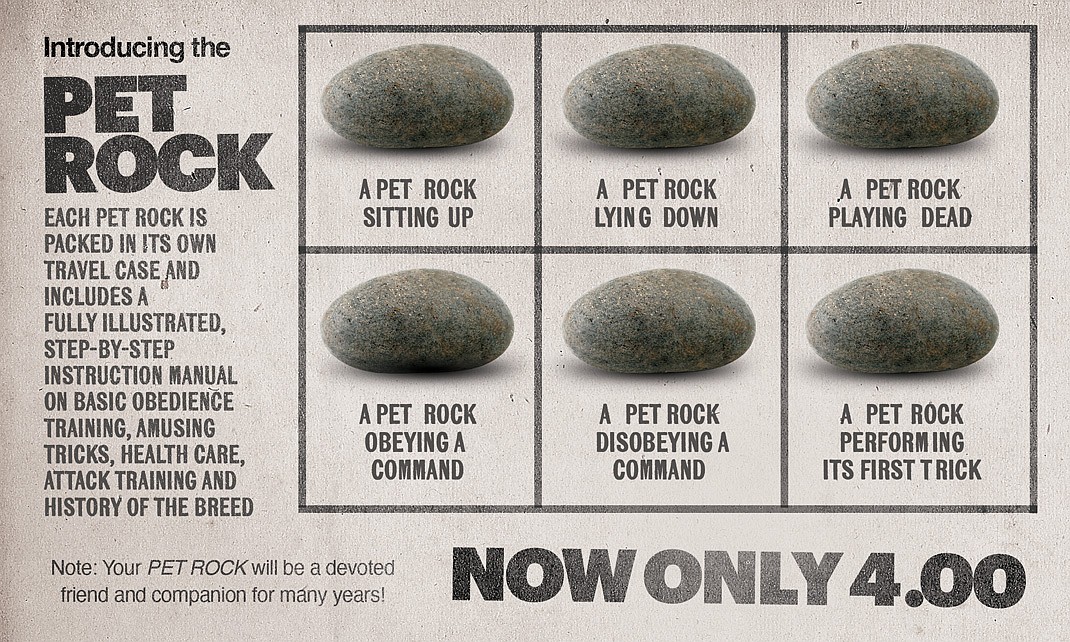
Each Pet Rock came nestled inside a custom cardboard carrying case complete with ventilation holes, straw bedding, and a humorous instruction manual explaining how to care for, train, and love your new pet. The manual described commands like “Sit,” “Stay,” and “Play Dead”—noting that the Pet Rock excelled at the last one.
The product itself had almost no value. The experience surrounding it had tremendous value.
Modern marketers call this creating an emotional connection. Dahl simply understood it instinctively.
Perfect Timing
The mid-1970s were marked by economic uncertainty. The United States was recovering from recession, inflation was high, and many Americans welcomed a little harmless humor.
The Pet Rock offered inexpensive entertainment. It wasn’t trying to solve a problem or improve your life. It simply made people laugh.
Sometimes consumers don’t need another gadget. They need something that brings joy, even if only for a moment.

Simplicity Wins
One of the smartest aspects of the Pet Rock was that there was almost nothing to explain.
There were no complicated features. No instruction videos.
No technical specifications. Everyone immediately understood the joke.
That simplicity made the product incredibly easy to talk about. Friends showed friends. Newspapers covered it. Television hosts joked about it. Long before social media existed, the Pet Rock became a viral sensation through word of mouth.
Packaging Was Everything
Without its packaging, the Pet Rock was simply a rock.
With thoughtful presentation, however, it became a complete gift experience.
The custom box, humorous branding, clever copywriting, and attention to detail transformed an ordinary object into something memorable. Customers weren’t paying for geology—they were paying for creativity.
This remains one of the greatest lessons in marketing today. Presentation often creates perceived value that far exceeds the cost of the product itself.
Scarcity and Novelty
The Pet Rock wasn’t designed to become a lifelong purchase.
It was a cultural moment.
Consumers knew it was a novelty item, which actually increased its appeal. People rushed to buy one before the craze disappeared.
Modern marketers use limited editions, seasonal releases, and exclusive drops for the very same reason. Scarcity encourages action.
Media Loved It
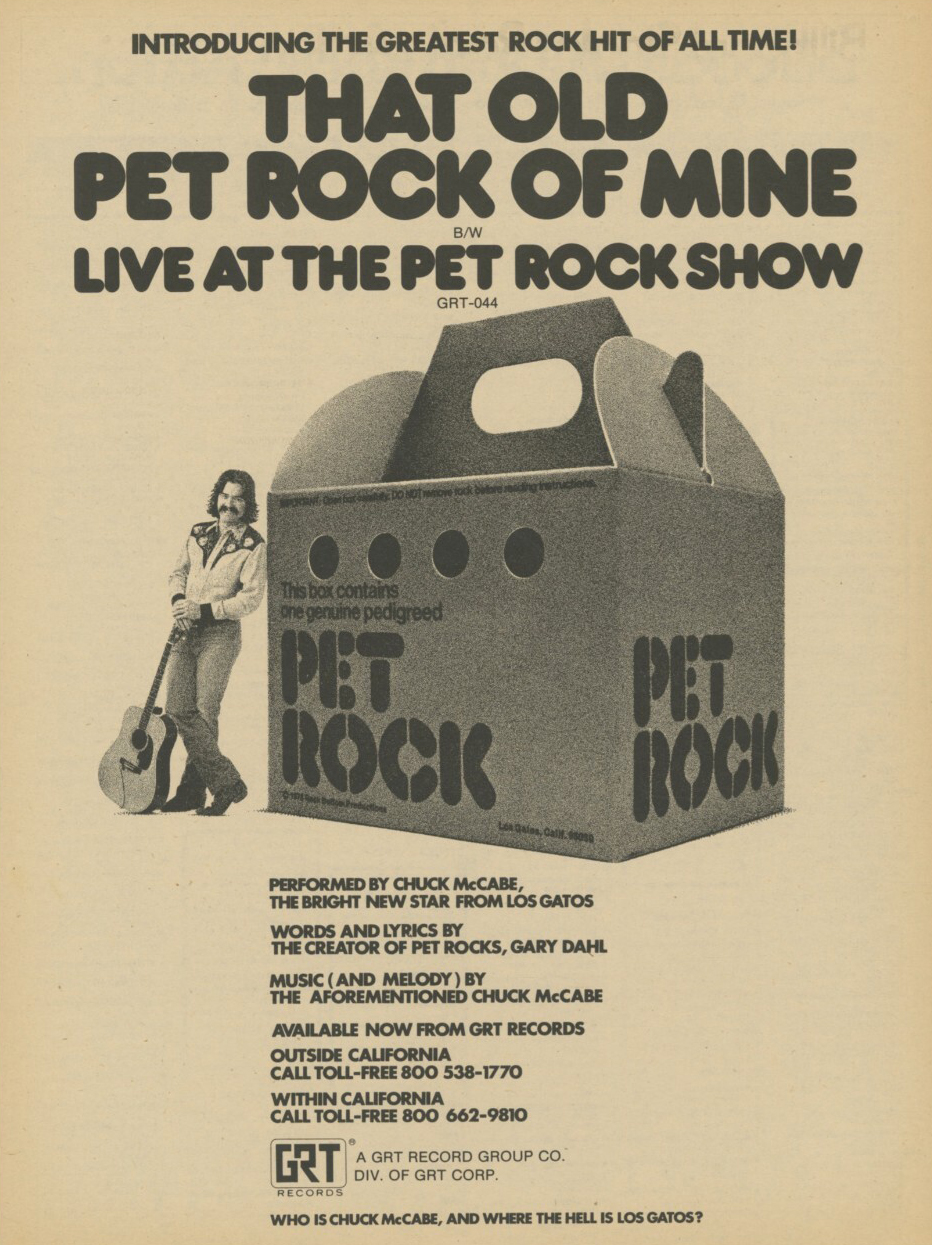
Journalists couldn’t resist writing about the absurdity of someone becoming a millionaire by selling rocks.
Ironically, every article questioning the product’s success became free advertising. People bought the Pet Rock simply to understand what everyone was talking about.
Television talk shows and magazine features eagerly highlighted the quirky gift, turning the Pet Rock into a national conversation piece during the holiday shopping season. Every mention reinforced the idea that owning one meant being in on the joke, proving that publicity driven by curiosity can be even more powerful than traditional advertising.
Today we’d call this earned media—publicity generated through public interest rather than paid advertising.
The Profit Margin Was Incredible
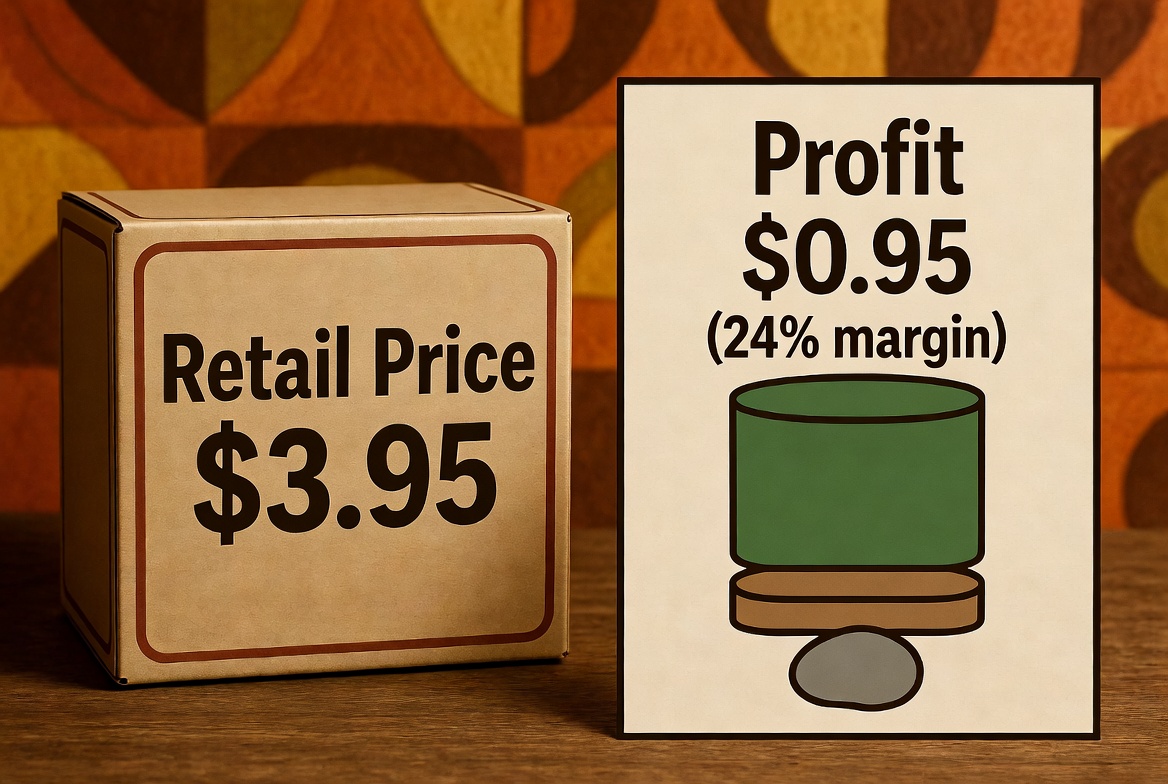
From a business perspective, the Pet Rock was almost unbelievably efficient.
The stones were inexpensive, sourced from gravel suppliers. The real costs were packaging, printing, assembly, shipping, and marketing. Because the raw material was nearly free, much of the product’s value came from branding rather than manufacturing.
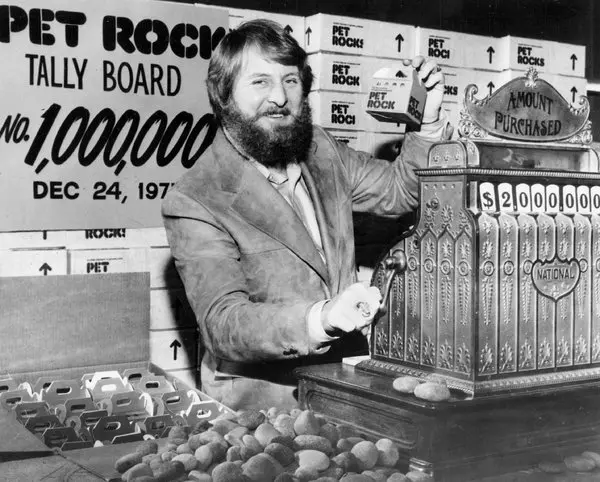
Within just a few months, Gary Dahl reportedly sold more than 1.5 million Pet Rocks, making the product one of the fastest-selling novelty gifts in history.
Lessons Modern Businesses Can Learn
Nearly fifty years later, marketers still study the Pet Rock because its success wasn’t accidental.
It demonstrated that customers often buy emotion before utility. Great storytelling can make an ordinary product extraordinary. Clever branding can generate attention that expensive advertising cannot. Simple ideas are often easier to share than complicated innovations.
Most importantly, the Pet Rock reminds entrepreneurs that value isn’t always created in a factory. Sometimes it’s created in the imagination.
More Than Just a Rock
The Pet Rock remains one of the greatest examples of marketing over manufacturing. It proved that creativity, humor, and presentation could turn one of the world’s most common objects into a multimillion-dollar business.
The next groundbreaking product doesn’t necessarily have to be more advanced, more expensive, or more technologically impressive than the competition. Sometimes it simply needs a better story.
You can still buy a Pet Rock today – click here to see them for sale.
More Marketing Articles For You

Driven by Purpose: Everything You Need to Know About the 2026 ASAE Annual Meeting & Exposition in Indianapolis
Your wedding catering company can make it to the next level of success with just a few tweaks to the systems.